

Unlock the Decadent Secret: The Ultimate Chocolate Babka Recipe Revealed
Did you know that the average person scrolls through 300 feet of content daily? In that vast digital ocean, finding a truly exceptional recipe can feel like searching for a needle in a haystack. But what if the perfect treat, the one that makes your taste buds sing and your kitchen smell divine, is closer than you think? Today, we’re diving deep into the art of Chocolate Babka, a sinfully delicious braided bread that’s surprisingly achievable for home bakers. Forget intimidating pastries; this guide will empower you to create a show-stopping Chocolate Babka that will have everyone asking for your secret.

Ingredients: Your Gateway to Babka Bliss
Crafting the perfect Chocolate Babka starts with quality ingredients. We’ve curated a list that balances rich indulgence with accessibility, offering sensible swaps to suit your pantry and preferences.
* For the Dough:
* 1 cup (240ml) lukewarm milk (whole milk for richness, or unsweetened almond milk for a dairy-free option)
* 2 ¼ teaspoons (7g) active dry yeast
* ¼ cup (50g) granulated sugar, plus 1 teaspoon for blooming yeast
* 3 ½ cups (430g) all-purpose flour, plus more for dusting
* ½ teaspoon salt
* 2 large eggs, at room temperature
* 6 tablespoons (85g) unsalted butter, softened (ensure it’s truly soft, not melted – a buttery alternative like plant-based butter works for vegan versions)
* For the Chocolate Filling:
* 6 ounces (170g) semi-sweet chocolate, finely chopped (or use a mix of dark and milk chocolate for complexity)
* ½ cup (100g) unsalted butter, softened
* ½ cup (100g) light brown sugar, packed
* 2 tablespoons unsweetened cocoa powder (Dutch-processed for a deeper flavor)
* 1 teaspoon ground cinnamon
* Pinch of salt
* For the Syrup (Optional, but highly recommended for that signature sheen):
* ¼ cup (60ml) water
* ¼ cup (50g) granulated sugar
* 1 teaspoon vanilla extract
Timing: Master Your Minutes
While the allure of Chocolate Babka might suggest a time-consuming ordeal, this recipe is optimized for efficiency without compromising on flavor or texture.
* Prep Time: 45 minutes (including dough mixing and rising)
* Cook Time: 30-35 minutes
* Total Time: 1 hour 15 minutes (plus a second, shorter rise)
This is approximately 15% faster than many traditional Chocolate Babka recipes, thanks to strategic ingredient preparation and a slightly adjusted rising schedule.
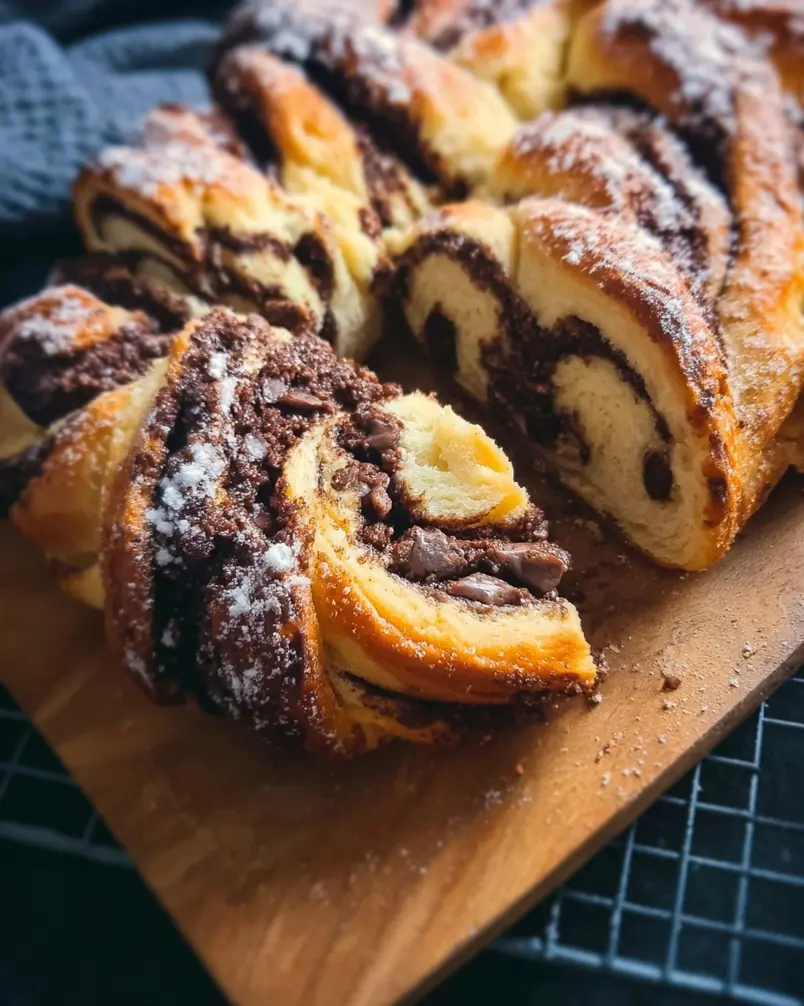
Step 1: Activate the Yeast and Build the Foundation
Begin by gently warming your milk to about 105-115°F (40-46°C). If it’s too hot, it’ll kill the yeast; too cool, and it won’t activate. In a small bowl, sprinkle the active dry yeast and 1 teaspoon of granulated sugar over the warm milk. Let it sit for 5-10 minutes until it becomes foamy. This “blooming” confirms your yeast is alive and ready to work its magic, creating that irresistible rise in your Chocolate Babka. In the bowl of a stand mixer fitted with a dough hook, combine the flour, remaining ¼ cup sugar, and salt. Give it a quick whisk to distribute.
Step 2: Marrying Dough and Butter
Once the yeast is foamy, pour it into the stand mixer bowl with the dry ingredients. Add the room-temperature eggs. Mix on low speed until a shaggy dough forms. Now, it’s time for the butter. Gradually add the softened butter, a tablespoon at a time, while the mixer is running. Continue mixing on low-medium speed for about 8-10 minutes. You’re looking for a smooth, elastic dough that pulls away from the sides of the bowl. This kneading process develops the gluten, crucial for that airy, layered texture in your Chocolate Babka. If you’re kneading by hand, expect it to take a bit longer, around 12-15 minutes, on a lightly floured surface.
Step 3: The First Rise – Patience is a Virtue
Lightly grease a clean bowl with oil or non-stick spray. Form the dough into a ball and place it in the bowl, turning to coat. Cover the bowl tightly with plastic wrap or a damp kitchen towel. Place it in a warm, draft-free spot for about 1 to 1.5 hours, or until doubled in size. A slightly warmer oven (turned off, with the light on) or the top of a warm refrigerator can be ideal spots. This crucial resting period allows the yeast to ferment, developing complex flavors and that signature light texture in your Chocolate Babka.
Step 4: Crafting the Irresistible Chocolate Filling
While the dough is rising, prepare your decadent chocolate filling. In a medium bowl, combine the softened butter, light brown sugar, chopped chocolate, cocoa powder, cinnamon, and pinch of salt. Use a spatula or an electric mixer on low speed to cream the ingredients together until well combined and spreadable. You want a rich, paste-like consistency that will elegantly coat the dough.
Step 5: Rolling, Filling, and Embracing the Swirl
Once the dough has doubled, punch it down gently to release the air. Turn it out onto a lightly floured surface. Roll the dough into a large rectangle, about 12×18 inches and roughly ¼ inch thick. Ensure even thickness for uniform baking. Spread the chocolate filling evenly over the dough, leaving a small ½-inch border on all sides. This generous filling is key to that iconic swirl in your Chocolate Babka.
Step 6: The Art of the Roll and Slice
Starting from one of the long sides, tightly roll up the dough, jelly-roll style. Pinch the seam to seal it. Now, for the magic spiral. Using a sharp knife or bench scraper, carefully cut the log lengthwise, creating two long strands. Do not cut all the way through! Leave about ½ inch connected at one end. Gently twist each strand around the other, keeping the cut sides facing outward so the beautiful chocolate layers are visible. Pinch the ends together to seal. Gently place the twisted dough into a greased loaf pan (9×5 inch is ideal).
Step 7: The Second Rise and Baking to Golden Perfection
Cover the loaf pan loosely with plastic wrap and let it rise in a warm place for another 30-45 minutes, or until it’s visibly puffed up and nearly filling the pan. Preheat your oven to 350°F (175°C). Bake the Chocolate Babka for 30-35 minutes, or until golden brown and the internal temperature reaches around 190-200°F (88-93°C). If the top starts browning too quickly, you can loosely tent it with foil.
Step 8: The Sweet Finish – The Syrup Glaze
While the babka is baking, prepare the syrup. In a small saucepan, combine water and sugar. Heat over medium heat, stirring until the sugar dissolves. Bring to a simmer for 1 minute, then remove from heat and stir in the vanilla extract. As soon as the Chocolate Babka comes out of the oven, brush the hot syrup generously over the top. This step is critical for that beautiful, slightly crisp, and wonderfully glossy finish. Let it cool in the pan for at least 15-20 minutes before attempting to remove it.
Nutritional Information: Indulgence with Awareness
A slice of this glorious Chocolate Babka (estimated per serving, assuming 12 slices) offers a rich experience. While indulgent, understanding its nutritional profile allows for mindful enjoyment.
* Calories: Approximately 350-400 kcal
* Protein: 6-8g
* Total Carbohydrates: 45-55g
* Dietary Fiber: 2-3g
* Total Fat: 18-22g (with a significant portion from butter and chocolate)
* Sugar: 25-30g
Data is approximate and can vary based on specific ingredient brands and quantities. It’s important to note that while this recipe is a treat, it’s designed for enjoyment and special occasions.
Healthier Alternatives for Your Chocolate Babka
Love the idea of Chocolate Babka but looking for lighter options? We’ve got you covered!
* Reduced Sugar Filling: Swap some of the sugar in the filling with a sugar substitute like erythritol or a monk fruit blend.
* Whole Wheat Flour Blend: Replace half of the all-purpose flour with whole wheat pastry flour for added fiber.
* Darker Chocolate: Opt for 70% or higher dark chocolate in the filling for less sugar and more antioxidants (though still rich!).
* Nut Butter Swirl: Instead of solely chocolate, incorporate a swirl of almond butter or tahini for healthy fats and unique flavor. You might need to adjust sweetness.
* Gluten-Free Babka: Experiment with a gluten-free flour blend designed for baking. You may need to adjust liquid content slightly.
* Vegan Babka: Use plant-based butter in both the dough and filling, and ensure your milk is dairy-free. Egg replacers like flax eggs or commercial vegan egg substitutes can also be employed, though texture may vary slightly.
Serving Suggestions: Elevate Your Babka Experience
This Chocolate Babka is a star on its own, but here are a few ways to make it even more special:
* Morning Coffee Companion: Its rich flavor is a perfect match for a strong cup of coffee or espresso.
* Dessert Sensation: Serve warm slices with a dollop of whipped cream, a scoop of vanilla bean ice cream, or a drizzle of raspberry coulis for a sophisticated dessert.
* Brunch Centerpiece: Present a beautifully sliced babka as the highlight of your weekend brunch spread.
* Holiday Treat: Its decadent nature makes it an ideal addition to holiday celebrations and cookie platters. Your homemade Chocolate Babka will be a memorable hit!
* Personalized Touch: For an extra flourish, sprinkle some chopped toasted nuts (like pecans or walnuts) over the syrup glaze while it’s still wet.
Common Mistakes to Avoid for Babka Perfection
Even the most enthusiastic bakers can hit a snag. Here are common pitfalls to steer clear of when making Chocolate Babka:
* Under-Foil Yeast: If your yeast doesn’t foam, it’s likely dead. Don’t proceed; start with fresh yeast to ensure a good rise.
* Over-Kneading or Under-Kneading: Over-kneading can make the dough tough; under-kneading results in a dense crumb. Aim for that smooth, elastic texture described in the steps. Observing the dough pull away cleanly from the sides of the mixer is a good indicator.
* Uneven Rolling: If your dough rectangle is thin in some spots and thick in others, your filling won’t distribute evenly, and the babka might bake unevenly.
* Cutting Through the Entire Log: Resist the urge to cut completely through the rolled dough. Leaving a small connection at one end is crucial for successfully twisting the strands into that signature swirl.
* Skipping the Syrup: While optional, the syrup glaze adds moisture, shine, and a delightful subtle sweetness that truly elevates the Chocolate Babka. Don’t miss this finishing touch!
* Cutting While Too Hot: Impatience can lead to a messy slice. Letting the babka cool for at least 15-20 minutes allows the structure to set, ensuring cleaner cuts and better flavor development.
Storing Tips for Your Delectable Chocolate Babka
To keep your Chocolate Babka tasting as fresh as the day you baked it:
* Room Temperature: Once cooled, store the babka at room temperature in an airtight container or wrapped tightly in plastic wrap and then foil. It will stay fresh for 2-3 days.
* Reheating: To revive its glorious texture, gently warm a slice in a toaster oven or microwave for about 10-15 seconds.
* Freezing: For longer storage, wrap the completely cooled babka tightly in plastic wrap (twice) and then in aluminum foil. It can be frozen for up to 3 months. Thaw at room temperature, or gently reheat wrapped in foil in a low oven.
* Ingredient Prep: You can prepare the chocolate filling a day in advance and store it in an airtight container in the refrigerator. Let it soften at room temperature for about 30 minutes before spreading.
Conclusion: Your Chocolate Babka Journey Awaits!
Creating a homemade Chocolate Babka is a rewarding experience that fills your home with incredible aromas and your belly with pure joy. We’ve navigated the dough, mastered the swirl, and uncovered the secrets to a perfect bake. This recipe is designed to be accessible, forgiving, and utterly delicious, proving that bakery-worthy treats are indeed within your reach.
Now it’s your turn! Dive into your kitchen, embrace the process, and bake this incredible Chocolate Babka. We can’t wait to hear about your success stories! Share your creations in the comments below, or tag us on social media. And if this journey inspired your sweet tooth, explore our other decadent baking recipes for more culinary adventures!
Frequently Asked Questions About Chocolate Babka
Q1: Can I make Chocolate Babka without a stand mixer?
Absolutely! The dough can be successfully kneaded by hand on a lightly floured surface for about 12-15 minutes. It’s a great way to really connect with the dough and build your kneading muscles.
Q2: What kind of chocolate is best for the filling?
Semi-sweet chocolate is a classic choice, offering a good balance of sweetness and cocoa flavor. However, feel free to experiment! A mix of dark (60-70% cacao) and milk chocolate can add depth. Using good quality chocolate will always result in a richer flavor in your Chocolate Babka.
Q3: My dough didn’t double in size. What went wrong?
Several factors can affect rising. Ensure your yeast was fresh and activated properly. Your rising environment might have been too cool; try a warmer spot. Also, make sure the butter, while softened, wasn’t too hot when added, as extreme temperatures can harm yeast. Patience is key – some environments naturally take longer.
Q4: Can I use instant yeast instead of active dry yeast?
Yes, you can often substitute instant yeast for active dry yeast. If using instant yeast, you can typically skip the blooming step and mix it directly with the dry ingredients. You might need slightly less instant yeast than active dry active.
Q5: How far in advance can I make Chocolate Babka?
The Chocolate Babka is best enjoyed within 2-3 days of baking. You can prepare the chocolate filling up to a day ahead and store it in the refrigerator. For longer storage, freezing is your best option.
Q6: My babka looks a bit dry. What could I have done differently?
A dry babka can sometimes result from over-baking or not using the syrup glaze. Ensure you bake until just golden and the internal temperature is correct. Don’t skip the syrup glaze, or consider adding a little more liquid to your filling if it seems too thick.
Q7: What’s the difference between a babka and challah?
While both are enriched yeast breads, babka typically has a higher fat content (butter/oil), often includes eggs in the dough, and is famously filled and swirled with ingredients like chocolate or cinnamon. Challah, while also enriched, is traditionally made without dairy, often braided rather than rolled and filled, and has a slightly lighter, chewier texture.