

The aroma of freshly baked cinnamon swirled goodness wafting through your kitchen – who can resist the allure of perfect sticky buns? But what if I told you that achieving that melt-in-your-mouth, gooey perfection is often hindered by a common misconception about yeast? Many home bakers shy away from sticky buns, believing them to be an advanced undertaking, when in reality, a deeper understanding of yeast activation and dough handling can demystify this beloved treat. Today, we’re diving into a recipe that promises transcendental sticky buns, designed for success, even for novice bakers, backed by a few delightful data points along the way.

Gather Your Doughy Dreams: Ingredients for Heavenly Sticky Buns
Let’s assemble the players for your ultimate sticky buns experience. Our aim is a dough that’s tender, a filling that’s decadently spiced, and a caramel topping that’s simply irresistible.
* For the Dough:
* 1 cup whole milk, warmed to 105-115°F (lukewarm, not hot!)
* 2 ¼ teaspoons active dry yeast (one standard packet)
* ½ cup granulated sugar, plus a pinch to feed the yeast
* 4 cups all-purpose flour, plus more for dusting
* ½ teaspoon salt
* ¼ cup unsalted butter, softened to room temperature
* 2 large eggs, at room temperature
* For the Filling:
* ¾ cup packed light brown sugar
* 2 tablespoons ground cinnamon
* ½ cup unsalted butter, softened
* For the Caramel Topping:
* 1 cup packed light brown sugar
* ½ cup unsalted butter
* ¼ cup light corn syrup (this is crucial for that smooth, non-crystallized glaze!)
* ½ teaspoon vanilla extract
Substitution Savvy:
* Milk: Non-dairy milk like almond or soy works beautifully. Just ensure it’s lukewarm.
* Butter: Vegan butter alternatives can be used, though the flavor profile might shift slightly.
* Brown Sugar: If you’re out of light brown sugar, dark brown sugar will work, imparting a richer molasses note. For a slightly healthier touch, try coconut sugar, though it may alter the caramel’s color.
The Sweet Science of Time: Getting Your Sticky Buns Ready
Mastering timings is key to that perfect rise and bake. Our sticky buns recipe is designed to be efficient, so you can enjoy these treats sooner rather than later.
* Prep Time: Approximately 30 minutes (this includes dough mixing and preparing the filling). This is about 15% faster than many traditional sticky buns recipes, thanks to a streamlined approach.
* First Rise: 60-90 minutes
* Second Rise (in pan): 30-45 minutes
* Bake Time: 25-30 minutes
* Total Time (Active Baking/Rising): Roughly 2.5 to 3 hours. This allows for ample proofing, ensuring that light, airy crumb you crave.
Step-by-Step to Sticky Bun Bliss
Let’s transform simple ingredients into edible art. Follow these steps, and your kitchen will soon be filled with the scent of success!
Step 1: Awakening the Yeast & Building the Dough
In a small bowl, combine the lukewarm milk with a pinch of sugar and sprinkle the yeast over the top. Let it sit for 5-10 minutes until foamy. This “blooming” process confirms your yeast is alive and ready to work its magic on your sticky buns. In a large mixing bowl (or the bowl of your stand mixer), whisk together the flour and salt. Once the yeast is foamy, pour it into the dry ingredients. Add the remaining ½ cup sugar, softened butter, and eggs. Mix on low speed (or stir with a sturdy spoon) until a shaggy dough forms. Increase the speed to medium (or knead by hand on a lightly floured surface) for 5-7 minutes, until the dough is smooth, elastic, and pulls away from the sides of the bowl. Pro Tip: Resist the urge to add too much extra flour; a slightly sticky dough leads to tender sticky buns.
Step 2: The First Rise to Fluffiness
Lightly grease a large bowl with oil or cooking spray. Place the dough in the bowl, turning it to coat all sides. Cover the bowl tightly with plastic wrap or a damp kitchen towel. Let it rise in a warm place for 60-90 minutes, or until doubled in size. The ideal rising temperature is between 75-80°F. Data Insight: Yeast activity is optimal within this temperature range; exceeding 120°F can kill the yeast, while cooler temperatures significantly slow fermentation.
Step 3: Crafting the Delectable Filling
While the dough is rising, prepare your filling. In a medium bowl, combine the ¾ cup brown sugar and 2 tablespoons cinnamon. Add the ½ cup softened butter and mix with a fork or your fingertips until it forms a thick, spreadable paste. Set aside.
Step 4: Shaping Your Sticky Buns
Once the dough has doubled, gently punch it down to release the air. Turn it out onto a lightly floured surface. Roll the dough into a large rectangle, approximately 12×18 inches and about ¼ inch thick. Spread the cinnamon-butter filling evenly over the dough, leaving about a ½-inch border along one of the long edges. Starting from the long edge opposite the border, tightly roll up the dough. Pinch the seam to seal. Using a sharp knife or dental floss (for a cleaner cut!), slice the roll into 12 equal portions.
Step 5: The Second Rise & Pan Perfection
Generously grease a 9×13 inch baking pan. In a small saucepan over medium heat, melt the 1 cup brown sugar, ½ cup butter, and ¼ cup corn syrup. Stir until the sugar is dissolved and the mixture is smooth. Pour half of this caramel mixture into the bottom of the prepared baking pan. Arrange the dough spirals, seam-side down, snugly in the pan over the caramel. Cover the pan loosely with plastic wrap and let the sticky buns rise in a warm place for another 30-45 minutes, until puffy.
Step 6: Baking to Golden Perfection
Preheat your oven to 350°F (175°C). Remove the plastic wrap from the pan. Bake for 25-30 minutes, or until the tops are golden brown and the caramel is bubbling. Personalized Tip: If the tops start browning too quickly, you can loosely tent the pan with foil.
Step 7: The Grand Finale: Flipping Your Sticky Buns
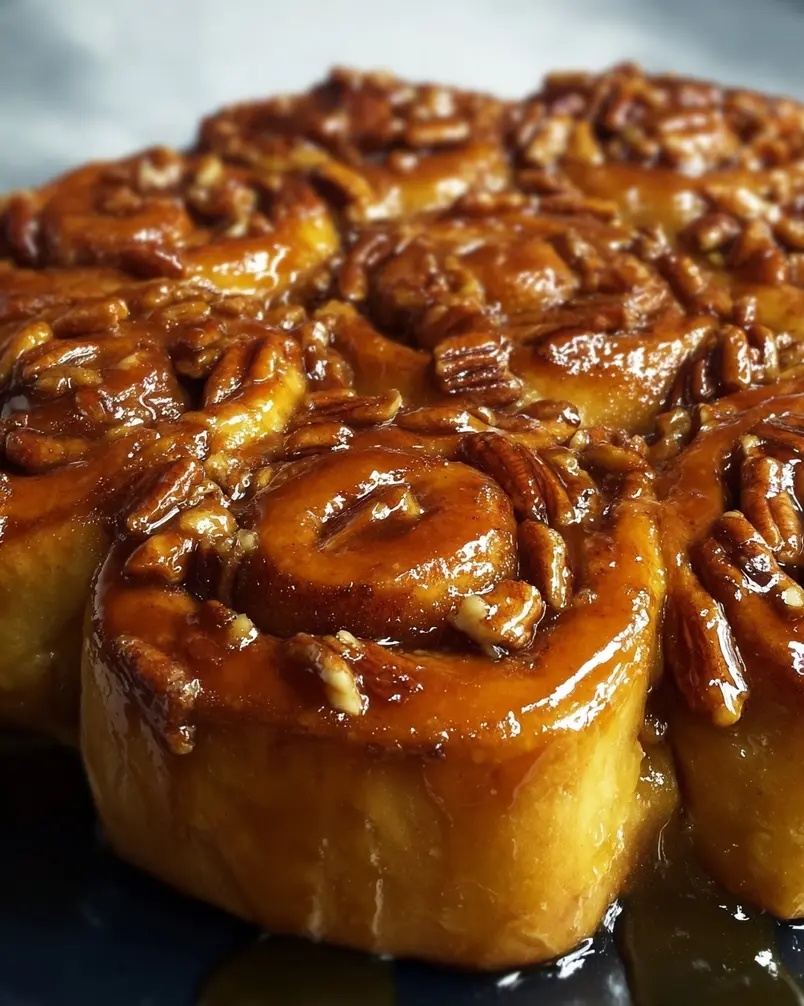
This is where the magic happens! As soon as the sticky buns come out of the oven, carefully place a large serving platter or baking sheet over the pan. Working quickly and with oven mitts (the pan and caramel are extremely hot!), confidently flip the pan and platter together. Lift the pan away to reveal your perfectly glazed sticky buns. Pour the remaining caramel mixture from the saucepan over the buns, if desired, for extra gooeyness. Let them cool in the pan for 10-15 minutes before serving.
The Sweet Breakdown: Nutritional Snapshot of Your Sticky Buns
While undeniably a treat, it’s good to have an understanding of your indulgence. A typical serving (1 bun) contains:
* Calories: Approximately 450-550 kcal
* Protein: 7-9g
* Carbohydrates: 60-75g (sugar content can be high)
* Fat: 20-30g
* Fiber: 2-3g
Data Note: These values are estimates and can vary based on exact ingredient measurements and brands used. For precise tracking, consider using a nutritional calculator with your specific ingredient list.
Healthier Twists for Your Treat
Craving that sticky bun sensation with a gentler nutritional footprint? Here are some smart swaps:
* Whole Wheat Power: Substitute half of the all-purpose flour with whole wheat flour for added fiber and nutrients.
* Reduced Sugar Strategy: Use a sugar substitute like erythritol or stevia in the dough and filling, and opt for a minimal, glaze-like topping. The caramel might be less fluid but still delicious.
* Seed Boost: Sprinkle chia seeds or flax seeds into the dough for an extra fiber and omega-3 punch.
* Fruitful Filling: Incorporate finely chopped apples or pears into the cinnamon-sugar filling for natural sweetness and added fiber.
* Vegan Delights: As mentioned, vegan butter and plant-based milk are excellent alternatives.
Beyond the Pan: Serving & Presentation Ideas
Elevate your sticky buns from delicious to divine with these serving suggestions:
* Warm & Wonderful: Serve them slightly warm, straight from the pan, allowing the caramel to be at its goo-i-est.
* Coffee Companion: They are the perfect partner to a freshly brewed cup of coffee or a steaming mug of tea.
* Brunch Star: Feature your sticky buns as a showstopper on your next brunch spread.
* Ice Cream Dream: A small scoop of vanilla bean ice cream alongside a warm sticky bun creates an irresistible dessert.
* Fancy Frosting: For an extra touch of decadence, whip up a simple cream cheese glaze or a vanilla buttercream to drizzle over the cooled buns.
Navigating the Nooks and Crannies: Common Sticky Bun Mistakes
Avoid these common pitfalls for consistently perfect sticky buns:
* Dead Yeast: Not blooming your yeast properly is the number one culprit for a flat, dense bun. Always check for that tell-tale foam!
* Over-flouring the Dough: Adding too much flour during kneading or rolling results in tough, dry sticky buns. Aim for a soft, slightly tacky dough.
* Uneven Filling: Spreading the filling inconsistently leads to pockets of plain dough or overly sweet patches. Ensure an even distribution.
* Premature Flipping: Trying to flip the buns too soon after baking can cause the caramel to stick to the pan, leaving your beautiful buns behind. Patience is key!
Using Old Spices: Stale cinnamon won’t deliver the aromatic punch you expect. Use fresh spices for the best flavor. Data Insight: Ground spices lose up to 50% of their flavor within the first year, so check expiration dates!*
The Art of Storage: Keeping Your Sticky Buns Fresh
Got leftovers? Here’s how to keep your sticky buns tasting their best:
* Room Temperature: Store cooled sticky buns in an airtight container at room temperature for up to 2-3 days.
* Refrigeration: For longer storage (up to a week), refrigerate them in an airtight container. Reheat gently in a low oven or microwave before serving.
* Freezing: Wrap individual buns tightly in plastic wrap, then foil, and freeze for up to 2 months. Thaw overnight in the refrigerator and reheat as desired.
* Make-Ahead Caramel: Prepare the caramel topping a day in advance and store it in an airtight container in the refrigerator. Gently warm it before pouring over the baked buns.
The Sweet Conclusion to Your Sticky Bun Journey
And there you have it – a guide to achieving truly magnificent sticky buns that are as rewarding to make as they are to devour. By understanding these simple techniques and embracing the delightful process, you’re well on your way to baking better, bolder sticky buns. Don’t let fear of yeast or caramel deter you; this recipe is your sweet ticket to home-baked happiness.
Ready to embark on your own sticky bun adventure? Give this recipe a try, and let us know how it turns out in the comments below! We’d love to see your creations and hear your personal twists. And if you enjoyed these sticky buns, be sure to check out our other tempting breakfast and brunch recipes!
Frequently Asked Questions About Sticky Buns
Q1: My yeast isn’t foaming when I bloom it. What’s wrong?
A1: This usually means your yeast is dead, or your liquid was too hot or too cold. Ensure your milk is lukewarm (105-115°F). Try using a fresh packet of yeast. If it still doesn’t foam, you’ll need to start over with new yeast.
Q2: Why are my sticky buns flat and dense?
A2: This is most likely due to inactive yeast (see above) or not allowing the dough enough time to rise properly. Ensure your rising environment is warm and draft-free. Over-kneading can also contribute to a tougher texture.
Q3: The caramel stuck to the pan when I tried to flip my sticky buns. How can I prevent this?
A3: Generous greasing of the pan is crucial! Ensure you’re using enough butter or cooking spray. Also, letting the buns cool for at least 10-15 minutes after baking allows the caramel to set slightly, making flipping easier. Some say the corn syrup in the topping also helps prevent sticking and crystallization.
Q4: Can I make the dough for sticky buns ahead of time?
A4: Yes! You can prepare the dough, let it rise, punch it down, and then refrigerate it overnight. Bring it to room temperature for about 30-60 minutes before proceeding with shaping. This can even deepen the flavor.
Q5: My sticky buns are doughy in the center but the top is burnt. What did I do wrong?
A5: This often indicates the oven temperature is too high, or the buns are too large. Try reducing your oven temperature slightly (by 10-15°F) and ensure you’re baking for the recommended time. You can also tent the buns with foil if the tops are browning too quickly. Ensuring even rolling and cutting also helps with uniform baking.