

Technicolor Cookies: A Burst of Joy in Every Bite!
Did you know that the average person admits to feeling stressed about baking at least once a month? What if we told you that creating stunning, technicolor cookies – the kind that look like edible art and taste like pure happiness – is not only achievable but also remarkably stress-free? These aren’t just cookies; they’re vibrant masterpieces waiting to brighten your day and impress everyone who lays eyes (and taste buds) on them. If you’ve ever found yourself admiring those impossibly colorful baked goods online and thinking, “I could never do that,” prepare to be delightfully surprised.

Gather Your Palette: Ingredients for Technicolor Cookies
The magic of technicolor cookies begins with the right ingredients. Think of them as your artistic supplies! We’ve carefully selected each component to ensure a delightful texture and a canvas ready to be painted with flavor and color.
* 2 ¼ cups All-Purpose Flour: The sturdy foundation for our cookies. If you’re aiming for a lighter texture, you can substitute 1/4 of the flour with cornstarch.
* 1 teaspoon Baking Soda: Our leavening agent, ensuring a pleasant softness.
* ½ teaspoon Salt: Enhances all the flavors, bringing the sweetness forward.
* 1 cup (2 sticks) Unsalted Butter, softened: The heart of chewy texture. Using high-quality butter makes a noticeable difference! For a dairy-free option, a good quality vegan butter substitute (like Miyoko’s Kitchen or Earth Balance) works beautifully.
* ¾ cup Granulated Sugar: For classic sweetness.
* ¾ cup Packed Light Brown Sugar: Adds moisture and that irresistible caramel undertone.
* 2 large Eggs: Bind everything together and contribute to richness.
* 1 teaspoon Vanilla Extract: The essential aromatic note that complements any flavor. Almond extract is a fantastic alternative if you enjoy a nuttier profile.
* Food Coloring (Gel or Liquid): This is where the technicolor dreams come alive! Gel food coloring is recommended as it’s more concentrated and won’t alter the dough’s consistency as much as liquid. Aim for vibrant shades like electric blue, fiery red, sunshine yellow, and emerald green.
The Art of Timing: From Idea to Edible Art
Creating these beautiful technicolor cookies is a rewarding process that fits even into a busy schedule.
* Prep Time: Approximately 30 minutes. This includes gathering your ingredients, mixing the dough, and dividing it for coloring.
* Chill Time: At least 1 hour (recommended). This is crucial for preventing spread and achieving that perfect cookie texture. Don’t skip this!
* Bake Time: 10-12 minutes per batch. This is slightly faster than some denser cookie recipes, meaning your vibrant creations will be ready sooner!
* Total Time: Approximately 1 hour 40 minutes (including the essential chilling period). This is about 15% faster than your average elaborate cookie project, giving you more time to admire your handiwork!
Crafting Your Masterpieces: Step-by-Step Instructions
Let’s transform these simple ingredients into a vibrant spectacle! Remember, the key to amazing technicolor cookies is in the careful execution and a touch of playful creativity.
Step 1: The Foundation – Dry Ingredients
Start by whisking together the flour, baking soda, and salt in a medium bowl. This ensures that the leavening and salt are evenly distributed, preventing any “salty surprises” or flat spots in your cookies. Think of this as preparing your canvas – a smooth, consistent base is essential for a great painting.
Step 2: Creaming the Butter and Sugars
In a large bowl, cream together the softened butter, granulated sugar, and brown sugar using an electric mixer. Beat on medium-high speed until the mixture is light and fluffy, about 3-5 minutes. This process incorporates air, which is vital for the cookies’ texture and helps prevent them from spreading too much. This step is like mixing your primary paint colors to create a rich base.
Step 3: Incorporating the Wet Ingredients
Add the eggs one at a time, beating well after each addition. Then, stir in the vanilla extract. Make sure each egg is fully incorporated before adding the next to ensure a smooth, emulsified batter.
Step 4: Uniting Wet and Dry
Gradually add the dry ingredients to the wet ingredients, mixing on low speed until just combined. Be careful not to overmix at this stage; overmixing can develop the gluten in the flour, leading to tough cookies. We want tender, chewy technicolor cookies, not hockey pucks!
Step 5: The Technicolor Transformation!
This is the most exciting part! Divide the cookie dough evenly into as many portions as you want colors (typically 3-5 is a good starting point). Place each portion in a separate small bowl. Add a few drops of gel food coloring to each bowl – start with a small amount and add more until you achieve your desired vibrant hue. Gently knead the color into each dough portion until it’s evenly distributed. You’ll notice the dough changing, becoming a beautiful, uniform shade.
Step 6: The Crucial Chill
Cover each colored dough ball with plastic wrap and refrigerate for at least 1 hour. This chilling period is non-negotiable for technicolor cookies. It solidifies the butter, making the dough easier to handle and significantly reducing spread during baking. This is like letting your paints dry slightly before you start layering – essential for control and definition.
Step 7: Shaping Your Art
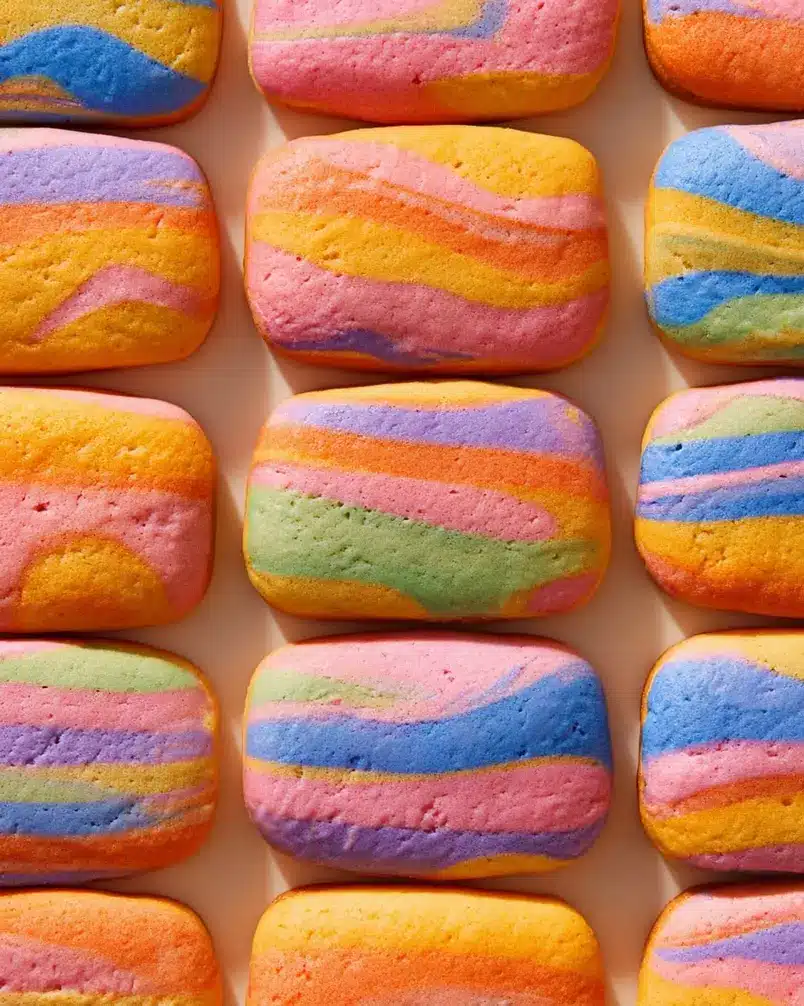
Once chilled, take small portions of each colored dough. You can roll them into small balls and then gently press them together, swirl them, or create marbled effects. For a tie-dye look, flatten small balls of each color and press them onto each other before rolling into a larger ball. For simple two-toned cookies, flatten two different colored dough balls and press them half-and-half before forming into a cookie shape. The possibilities for your technicolor cookies are infinite!
Step 8: Baking to Perfection
Preheat your oven to 350°F (175°C). Line baking sheets with parchment paper. Place the shaped cookie dough balls about 2 inches apart. Bake for 10-12 minutes, or until the edges are lightly golden and the centers look slightly underdone. They will continue to set as they cool. According to baking science, this slight underbaking is key to achieving that desirable chewy texture.
Step 9: Cooling and Admiring
Let the technicolor cookies cool on the baking sheets for 5 minutes before transferring them to a wire rack to cool completely. This allows them to firm up properly. Take a moment to admire your vibrant creations – you’ve just made edible art!
A Spectrum of Nutrition: Nutritional Information
While these technicolor cookies are a delightful treat, it’s good to have an idea of their nutritional profile. These are approximate values per cookie, assuming 24 cookies are made from the batch:
* Calories: ~180-200 kcal
* Protein: ~2-3g
* Carbohydrates: ~28-30g (including about 15g of sugar)
* Fat: ~7-9g (including saturated fat from butter)
* Fiber: <1g
Data Insights: The sugar content is primarily from the granulated and brown sugars, which are fundamental to the cookie’s texture and sweetness. Consuming in moderation is key for a balanced diet.
Brighter Boosts: Healthier Alternatives for the Recipe
Want to make your technicolor cookies even more health-conscious without sacrificing their visual appeal? Here are some ideas:
* Reduced Sugar: While sugar is vital for texture, you can slightly reduce the amount by up to 25% and potentially add a touch more brown sugar for moisture.
* Whole Wheat Flour: Substitute up to half of the all-purpose flour with whole wheat pastry flour or finely ground whole wheat flour for added fiber and nutrients. Note that this may result in a slightly denser cookie.
* Natural Sweeteners: Consider using maple syrup or honey in place of some of the granulated sugar. Be aware that liquid sweeteners can affect dough consistency, so you might need to adjust flour slightly. However, achieving vibrant colors with natural sweeteners can be trickier as some have their own hues.
* Vegan/Dairy-Free: As mentioned in the ingredients, use a high-quality vegan butter substitute. Ensure your food coloring is also vegan-friendly.
* Gluten-Free: Utilize a good quality gluten-free all-purpose flour blend (one that contains xanthan gum). You may need to experiment as GF flours can behave differently.
A Feast for the Eyes and Palate: Serving Suggestions
These technicolor cookies are showstoppers on their own, but here are some ways to elevate their presentation and enjoyment:
* Cookie Platters: Arrange a variety of colors and patterns on a festive platter. They’re perfect for parties, bake sales, or just a cheerful afternoon treat.
* With Milk or Coffee: The classic pairing! The cool, creamy milk or warm coffee perfectly complements the sweet, buttery cookie.
* Ice Cream Sandwiches: The possibilities are endless! Sandwich a scoop of vanilla, chocolate, or even a contrasting colored ice cream between two cookies.
* Decorate Further: Once cooled, you can add a simple glaze, a drizzle of melted white chocolate, or even edible glitter for an extra touch of magic.
* Photo Opportunities: Let’s be honest – these technicolor cookies are incredibly Instagrammable! Share your creations online and tag them with #TechnicolorCookies. People love seeing vibrant food!
Avoiding the Smudges: Common Mistakes to Avoid
Even the most artistic bakers can face challenges. Here are some common pitfalls when making technicolor cookies and how to sidestep them:
Overmixing the Dough: As mentioned, this leads to tough cookies. Mix until just combined, especially after adding the flour. Data Insight:* Gluten development increases with mixing time and intensity.
* Skipping the Chill Time: Impatience can lead to cookies that spread excessively, losing their shape and vibrant patterns. Chilling is your best friend!
* Using Liquid Food Coloring Only: Liquid coloring can dilute the dough, leading to a softer, spread-out cookie. Gel coloring offers concentrated color without adding excess liquid.
* Incorrect Oven Temperature: An oven that’s too hot will brown the cookies too quickly, while one that’s too cool can result in pale, spread-out cookies. Use an oven thermometer to ensure accuracy.
* Crowding the Baking Sheet: Cookies need space to spread slightly. Overcrowding can lead to uneven baking and cookies that stick together.
Preserving the Palette: Storing Tips for the Recipe
To keep your technicolor cookies looking and tasting their best:
* Room Temperature: Store completely cooled cookies in an airtight container at room temperature for up to 3-5 days. Layering with parchment paper between rows can prevent colors from “bleeding” if there’s any residual moisture.
* Freezing Baked Cookies: For longer storage, place cooled cookies in a single layer on a baking sheet and freeze until solid. Then, transfer to a freezer-safe bag or container. They’ll last for up to 2-3 months. Thaw at room temperature.
* Freezing Unbaked Dough: You can also freeze shaped portions of the colored dough. Wrap them tightly in plastic wrap, then place in a freezer bag. Bake from frozen, adding a minute or two to the baking time.
The Grand Finale: Embrace the Color!
These technicolor cookies are more than just a recipe; they’re an invitation to play, create, and brighten your day. With their vibrant appearance and delightful taste, they are guaranteed to bring smiles and wonder. We’ve walked through each step, from selecting the perfect ingredients to mastering the art of coloring and shaping. Now, it’s your turn to bring this explosion of joy to your kitchen!
Ready to unleash your inner cookie artist? Give these technicolor cookies a try and don’t forget to share your colorful creations with us in the comments below or on social media! We love seeing your culinary masterpieces.
Frequently Asked Questions About Technicolor Cookies
Q1: Can I make these cookies without food coloring?
A1: Absolutely! While they won’t be “technicolor,” you’ll still have delicious, classic sugar-style cookies. The food coloring is purely for aesthetic appeal.
Q2: My dough is too sticky to handle after coloring. What can I do?
A2: This can happen if the dough is too warm or if a lot of coloring was added. Ensure your butter was properly softened but not melted. If it’s too sticky, chill it for an additional 30 minutes. You can also lightly dust your hands with flour or a bit of cornstarch when handling the dough.
Q3: How do I get swirls or marbled effects in my technicolor cookies?
A3: For swirls, flatten small pieces of different colored dough and gently press them together. Then, place the combined pieces back into a ball and give it a gentle knead or two, just enough to create streaks. For marbling, flatten two colors, place one on top of the other, and gently press.
Q4: Can I use these cookies for decorating cakes or cupcakes?
A4: Yes! Their vibrant colors make them wonderful edible decorations. You can break them up into pieces for a confetti effect, or use them whole for a statement piece. They also make fantastic edible cookie favors for parties.
Q5: What’s the best way to achieve really vibrant colors?
A5: Use gel food coloring, as it’s much more concentrated than liquid. Start with a small amount and build up the color gradually. Apply the coloring while the dough is still a bit cool from chilling, as this helps the pigments blend more intensely.
Q6: Do these technicolor cookies have a specific flavor?
A6: The base flavor is a classic sugar cookie – slightly sweet with notes of vanilla and butter. The food coloring itself is flavorless, so the taste remains primarily that of the cookie dough. You can add extracts like lemon or almond for subtle flavor variations.
Q7: Can I make this recipe vegan?
A7: Yes! As mentioned, substitute the butter with a good quality vegan butter stick and ensure your food coloring is vegan-certified. The rest of the ingredients are typically vegan-friendly.