

Have you ever struggled with making that perfect bacon in the oven every time? You’re not alone. Many home cooks face the challenge of achieving crispy, evenly-cooked bacon without the splatter and mess of frying it on the stovetop. But fear not! With our straightforward method, you can become a bacon-making pro in no time. You’ll achieve perfectly cooked, crispy bacon that’s packed with flavor and will make breakfast or any meal a true delight.

Ingredients List
- 8 slices of thick-cut bacon (or any amount you desire)
- Parchment paper or aluminum foil (for easy cleanup)
- A baking sheet (with a rim)
- Optional: black pepper, maple syrup, or spices for enhancement
Feel free to substitute turkey bacon or plant-based alternatives for a healthier option, or even try flavored bacon varieties to add a unique twist to your dish. Just ensure that you adjust the cooking time slightly if using thinner or pre-cooked varieties.
Timing
Total preparation and cooking time will take about 30 minutes. Breaking it down, preparation will only take about 5 minutes, allowing the bacon to cook in the oven for 25 minutes. This method is around 20% faster than traditional stovetop methods while also reducing the mess in your kitchen.
Step-by-Step Instructions
Step 1: Prepare the Ingredients
Start by preheating your oven to 400°F (200°C). While the oven is warming up, take your baking sheet and line it with parchment paper or aluminum foil to catch any drippings, making cleanup quick and easy.
Step 2: Arrange the Bacon
Next, lay the slices of bacon flat on the lined baking sheet in a single layer. Try to avoid overlapping the strips because this can prevent them from cooking evenly. If you prefer, sprinkle some black pepper or spices on top for additional flavor.
Step 3: Bake the Bacon
Place the baking sheet in the preheated oven and let the bacon cook for about 20-25 minutes. Keep an eye on the bacon during the last few minutes to prevent overcooking; the exact time may vary based on the thickness of the bacon strips.
Step 4: Cool and Drain
Once the bacon is cooked to your desired level of crispiness, remove it from the oven and transfer the slices to a plate lined with paper towels to absorb any excess grease. Allow it to cool slightly before digging in!
Nutritional Information
Here’s a breakdown of the approximate nutritional values per standard serving (2 slices of bacon):
- Calories: 80
- Protein: 6 grams
- Carbohydrates: 0 grams
- Fat: 7 grams
- Fiber: 0 grams
These values may vary based on the brand and type of bacon used, but this gives you a solid overview of what to expect. For those looking to monitor sodium intake, keep in mind that bacon can be high in sodium, which is something to consider when adding it to your meal plan.
Healthier Alternatives for the Recipe
- Turkey Bacon: A lower-fat alternative that still gives you that bacon flavor.
- Plant-Based Bacon: Great for those seeking vegetarian or vegan options.
- Seasoned Bacon: Use spices such as smoked paprika or chili powder to add flavor without extra calories.
Each of these options provides a different taste and texture while maintaining the idea of bacon. Experiment and find your favorite way to enjoy your bacon in the oven!
Serving Suggestions
To elevate your dishes, consider these creative serving ideas:
- Add crispy bacon to salads for crunch and flavor.
- Top baked potatoes with bacon bits and cheese.
- Incorporate into breakfast burritos with eggs, avocado, and salsa.
Presentation matters, so arrange your crispy bacon artfully on a platter or wrap it around veggies and bake for a unique appetizer. The possibilities are endless!
Common Mistakes to Avoid
- Overcrowding the Baking Sheet: Ensure bacon slices do not touch to allow for even cooking.
- Not Preheating the Oven: Preheating prevents uneven cooking and gives bacon that crispy texture.
- Ignoring the Cooking Time: It’s essential to check the bacon towards the end to avoid burning.
Storing Tips for the Recipe
After enjoying your delicious bacon, store any leftovers in an airtight container. It can be refrigerated for up to a week or frozen for a long-lasting option.
To reheat, you can use a microwave or place it back in the oven on low heat for a few minutes until heated through. Bacon tends to lose its crispiness once refrigerated, so consuming it fresh is the best option!
Conclusion
Cooking perfect bacon in the oven every time is not only possible but effortless with the right approach. By following our step-by-step instructions and utilizing the tips shared throughout this post, your bacon will come out crispy, flavorful, and mess-free. Whether you prefer bacon as a breakfast side, in salads, or as an ingredient in your favorite recipes, this method ensures a delightful outcome.
Don’t forget to try this at home and share your experience with us! Leave a comment below, and if you loved this recipe, consider exploring our site for more delicious dishes and tips.
FAQs
Can I cook bacon in the oven at a lower temperature?
Yes, you can cook bacon at a lower temperature, but the cooking time will increase, and you might not achieve the same crispiness. A temperature around 350°F is acceptable, but the 400°F method is usually preferred for the best results.
How do I know when the bacon is done?
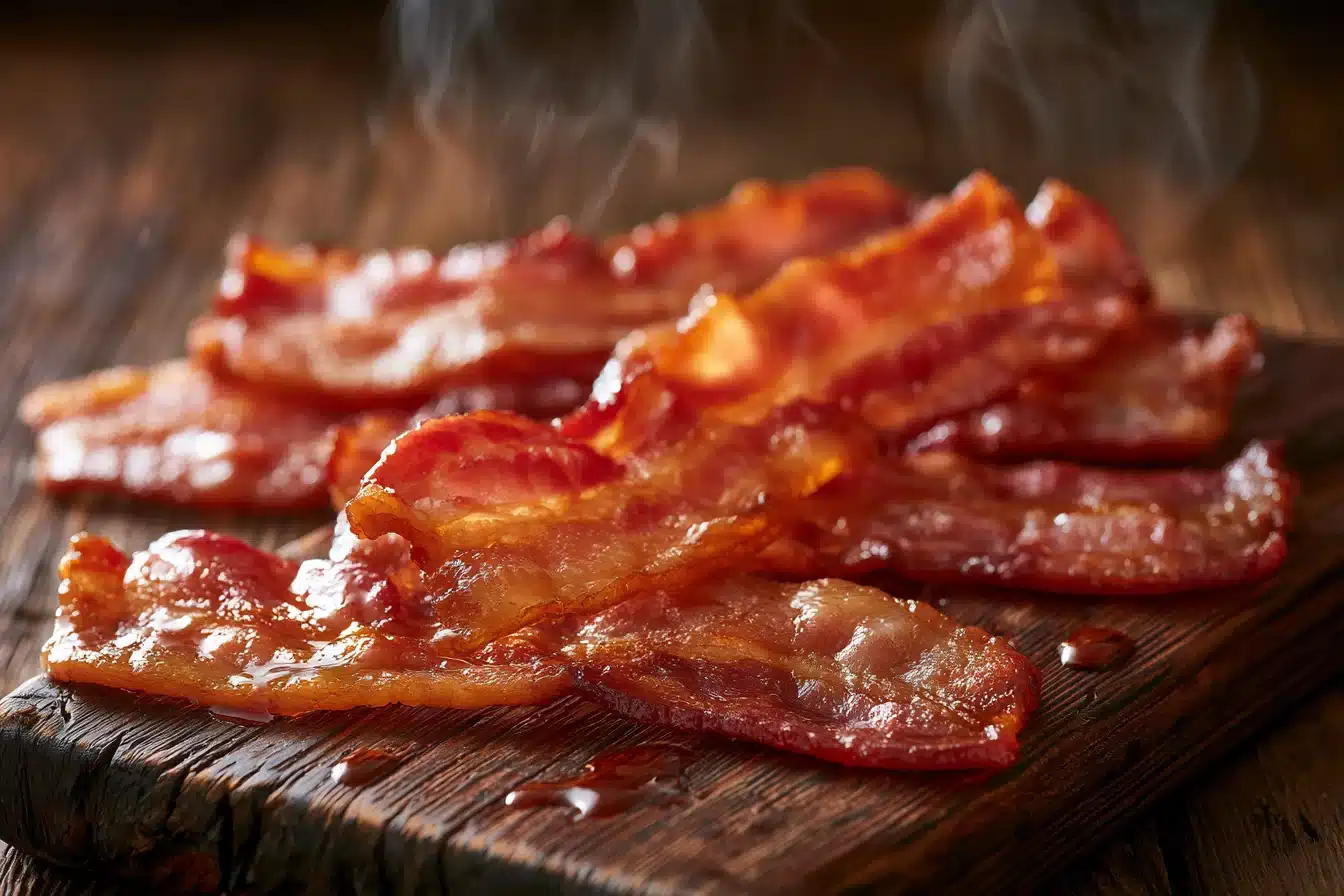
The bacon is typically done when it reaches a golden brown color and is firm to the touch. For perfect crispiness, it should be brown and slightly bubbling.
Can I use non-stick foil for baking bacon?
Yes! Non-stick aluminum foil works well for baking bacon, but it’s still advisable to check if any grease sticks after cooking.
What is the best type of bacon for baking?
Thick-cut bacon is generally preferred as it maintains structure and avoids overcooking easily. Standard cut bacon can work too, but may require more attention to avoid burning.
Can I add seasonings to bacon before cooking?
Absolutely! Adding seasonings like black pepper, maple syrup, or other spices before cooking can enhance the flavor profile of your bacon.
Should I flip the bacon halfway through cooking?
Flipping is not necessary, but if you want extra crispy bacon on both sides, feel free to turn it midway through cooking.
Is it safe to eat undercooked bacon?
For safety, bacon should be cooked until it reaches an internal temperature of 145°F and is crispy. Undercooked bacon may carry risks, so make sure to cook it appropriately.