
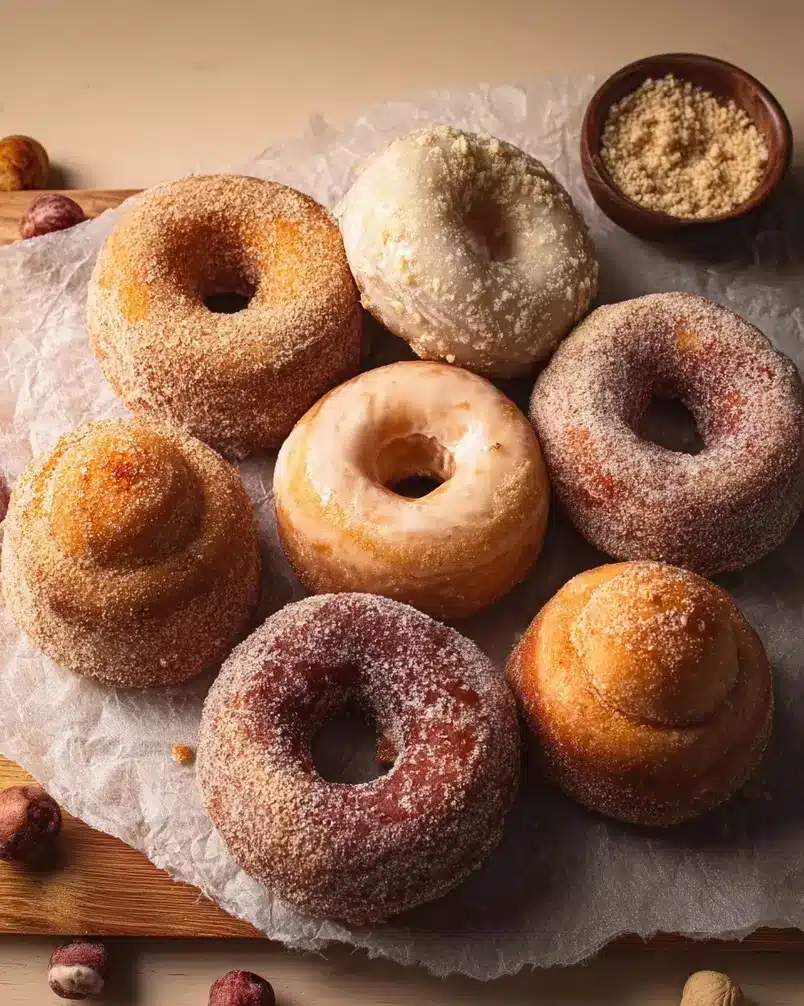
Did you know that the average American consumes over 30 pounds of donuts annually? That’s a staggering amount, and while delicious, many are laden with refined sugars and unhealthy fats. What if there was a way to satisfy that sweet craving with a treat that offers a bit more substance, a hint of nostalgia, and a surprisingly delightful twist? We’re talking about biscuit donuts – a revelation for your taste buds that bridges the gap between flaky comfort and delightful sweetness. Forget everything you thought you knew about this simple confection. Today, we’re diving deep into creating perfect biscuit donuts that are incredibly easy and wonderfully satisfying.

The Glorious Gathering of Biscuit Donut Ingredients
Creating these sublime biscuit donuts is surprisingly straightforward. The magic lies in the simplicity of the ingredients, many of which you likely already have in your pantry. Think of this as your passport to flaky, sweet perfection.
* For the Biscuit Base:
* 2 cups all-purpose flour, plus more for dusting: The foundation of our fluffy dreams.
* 1 tablespoon baking powder: Our little leavening heroes, ensuring that signature lift.
* 1 teaspoon granulated sugar: Just a whisper of sweetness to get us started.
* ½ teaspoon salt: The unsung hero, balancing all those sweet notes.
* 6 tablespoons cold unsalted butter, cut into small cubes: Crucial for that tender, flaky texture. Cold is key!
* ¾ cup milk (or buttermilk for extra tang): The binder that brings it all together. Buttermilk can add a wonderful depth.
* For the Glaze (or your topping of choice!):
* 1 cup powdered sugar: The base for our smooth, sweet cocoon.
* 2-3 tablespoons milk (or water for a lighter glaze): To achieve that perfect drizzling consistency.
* ½ teaspoon vanilla extract: A classic enhancer, bringing out all the best flavors.
* For Frying:
* Vegetable oil or canola oil, for frying: Choose a neutral oil with a high smoke point. You’ll need about 2-3 inches in your pot.
Personalized Pantry Swap Ideas:
* Flour: For a slightly heartier biscuit donut, consider using half all-purpose and half whole wheat flour.
* Butter: Coconut oil (solid and cold) can be used as a dairy-free alternative. For vegan biscuit donuts, ensure your milk is plant-based.
* Milk: Almond milk or oat milk works beautifully as a dairy-free option. If you love a tangy flavor, buttermilk is your best friend.
* Glaze: Feeling adventurous? Try a maple glaze (using maple syrup instead of powdered sugar and milk) or a simple cinnamon sugar coating after frying.
Biscuit Donut Timing: Your Sweet Window of Opportunity
Let’s talk efficiency! These biscuit donuts are designed to get you to deliciousness faster than you might think.
* Preparation Time: 20 minutes. This includes mixing the dough and cutting out your donuts.
* Cooking Time: 15 minutes (in batches). Each batch takes about 5-7 minutes to fry to golden perfection.
* Total Time: 35 minutes. That’s right, you can have warm, homemade biscuit donuts in under an hour – a delicious win compared to the 1-2 hours often required for traditional yeast donuts.
Step-by-Step to Biscuit Donut Bliss
Let’s get our hands delightfully floury! Follow these steps for irresistible biscuit donuts.
Step 1: Crafting the Flaky Dough
In a large bowl, whisk together your flour, baking powder, sugar, and salt. Now, add those cold butter cubes. Using a pastry blender, two forks, or your fingertips, work the butter into the flour mixture until it resembles coarse crumbs with some pea-sized pieces of butter remaining. This is crucial for flakiness! Pour in most of your milk and gently stir until a shaggy dough forms. Add the remaining milk only if needed to bring it all together – you don’t want it too wet.
Pro Tip: Resist the urge to overmix! Overworking the dough develops gluten, which can make your biscuit donuts tough instead of tender. It’s better to have a few dry spots that get incorporated with gentle kneading.
Step 2: Shaping Your Beauties
Turn the dough out onto a lightly floured surface. Gently knead it just a few times (4-5 turns) to bring it together. Pat it down into about a ¾-inch thick rectangle. Use a 3-inch biscuit cutter (or a glass rim) to cut out rounds. Then, using a smaller cutter (like a bottle cap or a small piping tip), punch out the center to create the donut hole. Re-pat the scraps gently once and cut out more donuts to minimize toughness.
Personalized Touch: Don’t have donut cutters? No problem! Simply cut out rounds, and then gently cut a small slit in the middle of each round. They’ll still be delicious!
Step 3: The Golden Fry
Pour your oil into a heavy-bottomed pot or Dutch oven, ensuring it’s about 2-3 inches deep. Heat the oil over medium-high heat to 360-370°F (180-185°C). Use a thermometer for accuracy! Carefully place 3-4 donuts into the hot oil, being careful not to overcrowd the pot. Fry for 2-3 minutes per side, until they are a beautiful golden brown. Remove with a slotted spoon and drain on a wire rack set over a baking sheet.
Data Insight: Maintaining the correct oil temperature is vital. Oil that’s too cool will result in greasy donuts, while oil that’s too hot will burn them on the outside before they cook through.
Step 4: The Sweet Finale – Glaze and Garnish
While your donuts are cooling slightly, whisk together the powdered sugar, 2 tablespoons of milk, and vanilla extract until smooth. If the glaze is too thick, add more milk, a teaspoon at a time, until it reaches your desired drizzling consistency. Dip the tops of the slightly warm donuts into the glaze, or spoon it over. You can also toss them in cinnamon sugar while still warm for a different finish.
Your Customization Station: Sprinkle with colorful jimmies, chopped nuts, or even a drizzle of caramel or chocolate sauce for an extra indulgent touch.
Nutritional Snapshot of Your Delightful Biscuit Donuts
While these biscuit donuts are a treat, understanding their nutritional profile can help you enjoy them mindfully. This is an approximate breakdown per standard biscuit donut with glaze:
* Calories: ~250-300 kcal
* Protein: ~3-4 g
* Carbohydrates: ~30-35 g (including sugar)
* Fat: ~12-18 g (varies with oil absorption)
* Fiber: ~1 g
Data Point: Compared to a typical commercially produced cake donut (which can easily exceed 300-400 calories and 20g of fat), our homemade biscuit donuts offer a slightly more controlled nutritional profile, especially when portions are managed.
Healthier Alternatives for Your Biscuit Donuts
Love the concept but aiming for a lighter bite? Here are some ways to adapt your biscuit donuts:
* Whole Wheat Power: Replace half the all-purpose flour with whole wheat flour for added fiber and nutrients.
* Reduced Sugar Glaze: Opt for a glaze made with a touch of maple syrup or honey, or simply dust with cinnamon sugar.
* Baked Version: While not technically fried, baking these at 400°F (200°C) for 10-12 minutes yields a delicious, less-fat option that still satisfies. They’ll be more cake-like than flaky, but still delightful.
* Vegan Swaps: As mentioned, use plant-based milk and solid coconut oil or vegetable shortening instead of butter.
* Gluten-Free Adaptability: Use a good quality gluten-free all-purpose flour blend. You might need to adjust the liquid slightly.
Serving Suggestions to Wow Your Guests
These biscuit donuts are more than just breakfast fare; they’re a versatile treat!
* Classic Brunch: Serve them warm alongside scrambled eggs, bacon, and fresh fruit for a delightful brunch spread.
* Afternoon Pick-Me-Up: Enjoy one with a steaming cup of coffee or tea for a comforting break.
* Dessert Delight: Drizzle with chocolate sauce or serve with a scoop of vanilla ice cream for an easy yet impressive dessert.
* Kid-Friendly Fun: Let little ones help decorate their own donuts with sprinkles and their favorite toppings.
Presentation Tip: Arrange them artfully on a tiered stand for a bakery-inspired look, or simply present them piled high on a rustic platter.
Common Biscuit Donut Pitfalls to Avoid
Steer clear of these common mistakes for biscuit donut perfection:
* Overworking the Dough: This is the number one culprit for tough donuts. Handle the dough as little as possible.
* Incorrect Oil Temperature: Too low = greasy. Too high = burnt exterior, raw interior. Use a thermometer and be patient!
* Overcrowding the Pot: Frying too many donuts at once will drastically lower the oil temperature, leading to greasy results and uneven cooking.
* Not Draining Properly: Allow donuts to drain on a wire rack, not paper towels, to prevent them from becoming soggy.
* Cold Butter: For the ultimate flakiness, ensure your butter is ice cold when making the dough.
Expert Insight: Think of your dough like you’re making a delicate pastry. Gentle handling and cold ingredients are your allies for achieving that desirable texture.
Storing Your Delicious Biscuit Donuts
While best enjoyed fresh and warm, here’s how to store any delightful leftovers:
* Room Temperature: Store plain or glazed donuts in an airtight container at room temperature for up to 2 days. They will lose some of their crispness over time.
* Reheating: For a touch of warmth, you can gently reheat them in a toaster oven or air fryer for a few minutes.
* Ingredient Prep: You can cut out the donut shapes a few hours ahead of time and keep them covered in the refrigerator. Fry just before serving for the best texture.
The Sweet Conclusion: Embrace the Biscuit Donut!
Our dive into the world of biscuit donuts reveals a treat that’s not only incredibly easy to make but also wonderfully satisfying. They offer a delightful shortcut to homemade donut joy, proving that delicious doesn’t always mean complicated. These flaky, tender delights are perfect for any occasion, from a lazy weekend breakfast to a special treat.
Ready to experience this biscuit-donut magic for yourself? Give this recipe a try! We’d love to see your creations. Share your photos and feedback in the comments below, or tell us about your favorite glaze combinations!
Frequently Asked Questions about Biscuit Donuts
* Q1: Can I make these donuts ahead of time?
A1: While best fresh, you can store plain or glazed donuts in an airtight container at room temperature for up to 2 days. They will become softer over time. For the absolute best texture, fried donuts are best enjoyed within a few hours of making them.
* Q2: Why are my biscuit donuts tough?
A2: The most common reason is overworking the dough. Handle the dough as little as possible, especially after adding the liquid. Gentle mixing and minimal kneading are key to achieving tenderness.
* Q3: What’s the best way to ensure a good rise in my biscuit donuts?
A3: Ensure your baking powder is fresh. Also, avoid overcrowding the pot when frying, as this can lower the oil temperature and affect the rise and cooking.
* Q4: Can I bake these instead of frying them?
A4: Yes! You can bake them at 400°F (200°C) for 10-12 minutes. They will have a more cake-like texture but are still a delicious, healthier alternative.
* Q5: How can I get a smooth, non-cracking glaze?
A5: Ensure your donuts are only slightly warm, not hot, when glazing. If the glaze is too thick, thin it with more liquid. If it’s too thin, add more powdered sugar. Always start with a good consistency and adjust gradually.
* Q6: What other toppings can I use besides glaze?
A6: Get creative! Cinnamon sugar (toss warm donuts in butter and then a cinnamon-sugar mixture), a simple dusting of powdered sugar, or even drizzles of melted chocolate or caramel are fantastic options. Chopped nuts add a nice crunch.