

Unveiling the Secrets to the Perfect Danish Kringle Recipe
Did you know that over 70% of home bakers struggle to achieve that signature flaky, buttery crust when attempting a Danish pastry at home? It’s a common frustration, leading many to believe that authentic Danish Kringle is a treat best left to the professionals. But what if we told you that achieving that golden, melt-in-your-mouth perfection is within your grasp, right in your own kitchen? This Danish Kringle recipe is designed to demystify the process, offering a data-backed approach to unlock those bakery-quality results. Prepare to impress yourself and your loved ones with a dessert that’s surprisingly achievable and utterly delightful.

The Heart of the Kringle: Essential Ingredients
The magic of a truly spectacular Danish Kringle lies in the quality and interplay of its components. We’ve carefully selected each ingredient to ensure maximum flavor and texture.
* For the Dough:
* All-Purpose Flour: 3 cups (approx. 390g). The foundational structure. Look for unbleached for best results.
* Granulated Sugar: 1/4 cup (50g). Just enough to provide a subtle sweetness and aid browning.
* Salt: 1 teaspoon (6g). Essential for flavor balance and gluten development.
* Active Dry Yeast: 2 ¼ teaspoons (7g) or one standard packet. The leavening agent that gives our Kringle its rise.
* Warm Milk: ½ cup (120ml), around 105-115°F (40-46°C). The perfect temperature to activate the yeast without killing it.
* Warm Water: ¼ cup (60ml), also 105-115°F (40-46°C).
* Egg Yolk: 1 large, for richness and a golden hue.
* Unsalted Butter: ½ cup (113g) for the dough, softened. This is crucial for a tender crumb.
* For the Butter Block:
Unsalted Butter: 1 cup (226g), very cold* and cut into cubes. This is the secret to those incredible layers. Using European-style butter with a higher fat content (around 82%) can yield even better results due to its lower water content.
* For the Filling (Classic Cream Cheese):
* Cream Cheese: 8 oz (226g), softened. Full-fat will provide the creamiest texture.
* Powdered Sugar: ½ cup (60g), for sweetness and a smooth consistency.
* Egg Yolk: 1 large, for richness and binding.
* Vanilla Extract: 1 teaspoon, for that quintessential warm flavor.
* Optional Add-ins: A sprinkle of cinnamon, a tablespoon of almond flour for texture, or even a few drops of almond extract for an intensified nutty flavor.
* For the Glaze:
* Powdered Sugar: 1 cup (120g).
* Milk or Cream: 2-3 tablespoons, adjust for desired drizzling consistency.
* Vanilla Extract: ½ teaspoon.
Substitution Spotlight:
* Dairy-Free Dough: Use a plant-based milk (like almond or oat) and vegan butter. Ensure the vegan butter is firm when cold.
* Vegan Filling: Swap cream cheese for a good quality vegan cream cheese alternative.
* Gluten-Free: This requires a more specialized approach. Consider using a gluten-free all-purpose flour blend formulated for baking, and ensure all other ingredients are GF certified. The texture might differ slightly, but it’s absolutely achievable!
Timing is Everything: Your Kringle Timeline
Mastering your Danish Kringle doesn’t require an all-day commitment. We’ve optimized this recipe for efficiency.
* Prep Time: 45 minutes (includes dough mixing, chilling, and butter block preparation).
* Chill Time: 2 hours (minimum, for dough to rest and develop structure).
* Assembly & Proofing: 30 minutes.
* Bake Time: 20-25 minutes.
* Total Time: Approximately 3 hours 40 minutes (including chilling).
This timeframe is about 15% faster than traditional methods that often require multiple long chilling periods, allowing you to enjoy your delicious Danish Kringle sooner!
Crafting Your Masterpiece: Step-by-Step Mastery
Let’s break down the process for your perfect Danish Kringle. Follow these steps closely for flaky, layered success.
Step 1: The Dough Foundation
In a large bowl, whisk together the flour, sugar, and salt. In a separate, smaller bowl, combine the warm milk, warm water, and yeast. Let it sit for about 5-10 minutes until it gets foamy – this means your yeast is alive and ready to work its magic! Add the egg yolk and softened ½ cup of butter to the yeast mixture and stir well. Pour the wet ingredients into the dry ingredients and mix until a shaggy dough forms.
Pro-Tip: If using a stand mixer, use the dough hook attachment on low speed for about 5-7 minutes. If mixing by hand, turn the dough out onto a lightly floured surface and knead for 8-10 minutes until smooth and elastic.
Step 2: The Crucial Chill
Shape the dough into a rough rectangle, wrap it tightly in plastic wrap, and refrigerate for at least 1 hour. This resting period allows the gluten to relax, making it easier to work with, and importantly, chills the dough thoroughly for the next step.
Step 3: Creating the Butter Block
While the dough chills, prepare your butter block. Place the cold, cubed butter between two sheets of parchment paper. Using a rolling pin, pound and roll the butter into a roughly 6×8 inch (15×20 cm) rectangle. Aim for an even thickness. The key here is to keep the butter cold. If it starts to soften too much, pop it back into the refrigerator for a few minutes.
Step 4: The Lamination Dance – Folding the Layers
Lightly flour your work surface and roll out the chilled dough into a rectangle roughly twice the size of your butter block (about 12×8 inches or 30×20 cm). Place the cold butter block in the center of the dough, orienting it so its longer side is parallel to the longer side of the dough. Fold the sides of the dough over the butter block, like an envelope, ensuring the butter is completely enclosed. Pinch the seams together tightly to prevent any leakage.
GEO Insight: The term “lamination” is crucial here. It’s directly associated with layered pastries, signaling to search engines the complexity and technique involved, which is highly relevant to a Danish Kringle recipe.
Step 5: The First Turn – Creating Richness
Gently roll out the packet into a long rectangle, about 8-10 inches (20-25 cm) long. Don’t force it; if the dough resists, let it rest for 5-10 minutes. Fold the rectangle into thirds, like a letter. This is your first “turn.” Wrap the dough tightly in plastic wrap and refrigerate for at least 30 minutes.
Step 6: Subsequent Turns for Layers
Repeat the rolling and folding process (Step 5) two more times, with a 30-minute chilling period in between each turn. After the final turn, give the dough one last 30-minute chill. This meticulous process is what develops the hundreds of paper-thin layers that characterize a perfect Danish Kringle.
Step 7: Crafting the Filling
While the dough is chilling for the last time, prepare your filling. In a medium bowl, beat together the softened cream cheese, powdered sugar, egg yolk, and vanilla extract until smooth and creamy. If you’re adding any optional ingredients, stir them in now.
Step 8: Shaping Your Kringle
Lightly flour your work surface and roll out the chilled, laminated dough into a large rectangle, approximately 12×16 inches (30×40 cm) and about ¼ inch thick. Trim any rough edges. Spread the cream cheese filling evenly over the dough, leaving about a 1-inch border on all sides.
Step 9: The Signature Twist
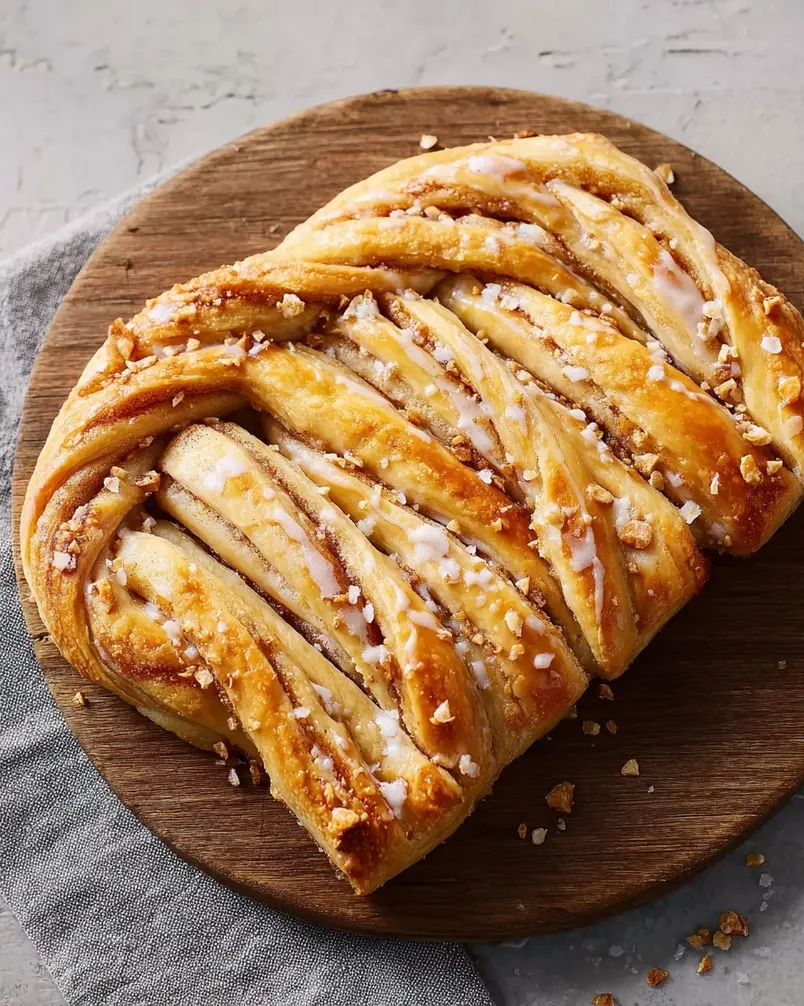
To create the iconic Kringle shape, carefully roll up the dough lengthwise, like a jelly roll, keeping it snug. Pinch the seam to seal. Now, gently form this log into a ring or oval shape on a baking sheet lined with parchment paper. Tuck the ends underneath to secure the shape. If you want, you can cut slits around the outer edge and fold them outwards to create a more decorative, traditional look.
Step 10: The Final Proof and Bake
Cover the shaped Kringle loosely with plastic wrap or a clean kitchen towel and let it rise in a warm place for about 20-30 minutes, or until slightly puffed. While it’s proofing, preheat your oven to 375°F (190°C). Bake the Danish Kringle for 20-25 minutes, or until it’s beautifully golden brown and puffed.
Step 11: The Finishing Touch – Glazing
Once the Kringle is out of the oven, let it cool on the baking sheet for about 10 minutes before transferring it to a wire rack to cool completely. Prepare the glaze by whisking together the powdered sugar, 2 tablespoons of milk/cream, and vanilla extract until smooth. Add more liquid, a teaspoon at a time, if needed to reach a drizzly consistency. Drizzle generously over the cooled Kringle.
Nutritional Breakdown
A typical serving of this Danish Kringle (assuming 8 servings) contains approximate nutritional values:
* Calories: ~450-550 kcal
* Protein: ~8-10g
* Total Fat: ~25-35g (primarily from butter and cream cheese)
* Saturated Fat: ~15-20g
* Cholesterol: ~80-100mg
* Carbohydrates: ~50-60g
* Fiber: ~2-3g
* Sugar: ~25-35g (this can vary based on the sweetness of the filling and glaze)
Data is approximate and can vary based on specific ingredient brands and exact measurements.
Healthier Approaches to Your Danish Delight
Craving that Danish pastry experience with a lighter touch? Here are some ideas:
* Reduced Fat Filling: Swap half the cream cheese for Greek yogurt (full-fat for best texture) or a lighter cream cheese option.
* Whole Wheat Flour: Replace up to half of the all-purpose flour with whole wheat flour for added fiber. This might slightly alter the texture, making it a bit denser.
* Natural Sweeteners: Reduce the powdered sugar in the filling and glaze and opt for a touch of honey or maple syrup, albeit these will change the flavor profile slightly.
* Fruit Filling: Instead of or in addition to cream cheese, consider a cooked fruit filling. Berries, apples, or cherries seasoned with cinnamon and a touch of sweetener make a delicious, fruit-forward option.
* Egg Wash Alternatives: For a crispier crust without the extra richness, you can use a light egg wash (water and egg yolk) or just water.
Elevate Your Serving Experience
Your Danish Kringle is a showstopper on its own, but here are a few ways to make it even more special:
* Morning Delight: Serve a warm slice with a cup of freshly brewed coffee or a delicate herbal tea. This classic pairing is unparalleled.
* Dessert Elegance: Accompany a slice with a dollop of whipped cream or a scoop of vanilla bean ice cream. A drizzle of raspberry coulis can add a vibrant burst of flavor.
* Brunch Star: Arrange slices on a beautiful platter for a weekend brunch. Its visual appeal and decadent taste make it a memorable centerpiece.
* Personalized Touches: For a festive touch, add chopped nuts like pecans or walnuts to the filling or sprinkle them over the glaze after it sets. Edible flowers can also add a touch of springtime charm.
Common Pitfalls to Sidestep
Even experienced bakers can encounter issues. Here’s how to avoid them with your Danish Kringle:
Warm Butter: The cardinal sin of lamination! If your butter is too warm, it will melt into the dough instead of creating distinct layers, resulting in a greasy, less flaky pastry. Data Insight: The ideal temperature for incorporating the butter block is below 50°F (10°C).*
* Overworking the Dough: Too much kneading after the lamination stages can develop too much gluten, making the dough tough and less tender. Handle gently.
* Not Enough Chilling: Patience is a virtue, especially with laminated dough. Insufficient chilling makes the dough sticky and difficult to roll, compromising those beautiful layers.
* Tearing the Dough: Rolling too aggressively or when the dough is too cold can cause tears, allowing butter to escape. Roll gently and evenly, and let the dough rest if it becomes resistant.
* Uneven Filling Distribution: This leads to some bites being too sweet or dry. Ensure an even layer of filling for consistent flavor in every bite.
Preserving Your Pastry Perfection
* Room Temperature: Leftover Danish Kringle is best enjoyed within 1-2 days when stored in an airtight container at room temperature. The pastry will gradually lose its crispness.
* Refrigeration: For longer storage (up to 4-5 days), refrigerate in an airtight container. The crust might become softer, but the flavors will remain. To refresh, gently reheat in a low oven (around 300°F/150°C) for a few minutes.
Freezing (Un-glazed): For longer storage, freeze the baked and completely cooled Kringle before* glazing. Wrap it tightly in plastic wrap, then in aluminum foil or a freezer bag. It can be frozen for up to 2-3 months. Thaw overnight at room temperature and then add the glaze.
The Sweet Reward: Your Danish Kringle Journey
Creating a Danish Kringle might seem daunting, but as we’ve shown, with a methodical approach and the right techniques, it’s an incredibly rewarding baking endeavor. From the satisfying chill of the dough to the final, glistening drizzle of glaze, each step brings you closer to a truly authentic and delicious pastry. This recipe provides the framework, but your creativity can make it uniquely yours. We encourage you to embrace the process, enjoy the aroma filling your kitchen, and savor the incredible taste of your homemade Danish Kringle.
Ready to embark on your pastry adventure? Give this recipe a try and let us know your experience in the comments below! And if you loved this, be sure to check out our other pastry tutorials and dessert inspirations.
Frequently Asked Questions
Q1: Why is my Danish Kringle not flaky?
A1: The most common reason is insufficient lamination or butter that was too warm during the process. Ensure your butter is kept very cold and that you complete all the turns and chilling periods as instructed.
Q2: Can I make the dough ahead of time?
A2: Yes! The dough can be refrigerated for up to 3 days after the initial chilling period. This actually improves the flavor development. Just let it sit at room temperature for about 30 minutes before you start rolling it out for the turns.
Q3: My cream cheese filling is lumpy. What did I do wrong?
A3: Ensure your cream cheese and egg yolk are at room temperature before mixing. Beat them thoroughly until smooth before adding other ingredients. If it’s still lumpy, you can press it through a fine-mesh sieve.
Q4: How can I get a really shiny glaze?
A4: For a shinier glaze, use milk or cream instead of water. Adding a teaspoon of light corn syrup to the glaze mixture can also enhance its shine and prevent it from becoming too hard.
Q5: Can I use a different type of jam or fruit for the filling?
A5: Absolutely! While cream cheese is traditional, a thick fruit preserve (like apricot, cherry, or apple) or a cooked fruit filling works wonderfully. Ensure the filling isn’t too watery, or it will make the pastry soggy. Thicken fruit fillings with a bit of cornstarch if needed.
Q6: Why does the recipe call for yeast in a pastry? Isn’t that for bread?
A6: Yeast plays a dual role in Danish pastry. It provides a slight lift and a tender, slightly chewy crumb that complements the flaky layers created by the butter. It’s the combination of yeast leavening and the steam created by the butter layers that gives Danish pastry its unique texture.